Prasanja Za Bugarski Pasos: This One Is Different. The Phrase Is Real. The Demand Is Documented.
Every other non-person term investigated in this series — Caricatronchi, Studiae, Rowdy Oxford Integris, Fanisco, Abradore — was either a misidentified word, a grammatically non-standard variant, a pure keyword with no referent, or a misspelling. The content farms invented meanings for all of them because there was a gap where a real meaning should have been.
“Prasanja za bugarski pasos” is different.
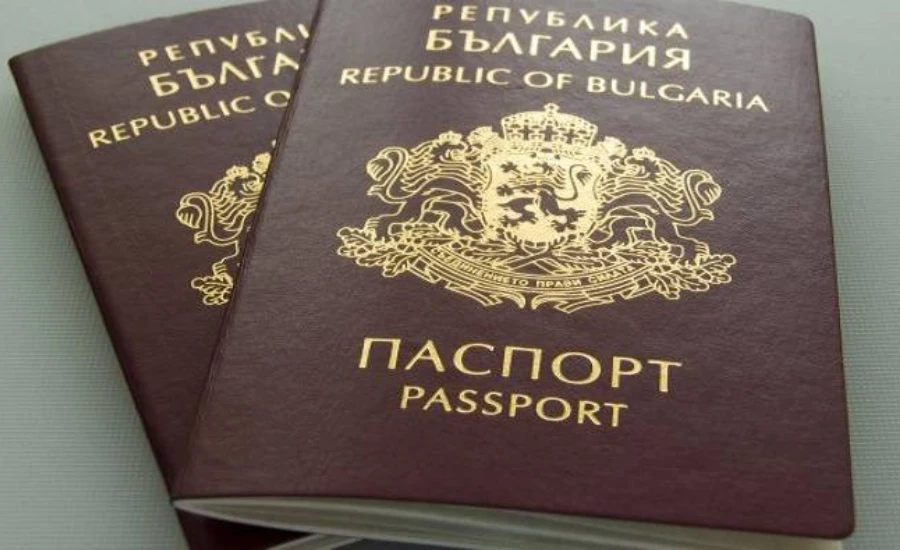
It is a real phrase, in a real language, describing a real problem that real people are trying to solve. It is Macedonian — from the South Slavic family of languages — and it translates directly as “questions about a Bulgarian passport” or “questions for a Bulgarian passport.” The people searching for it are overwhelmingly from North Macedonia, Serbia, and Bosnia and Herzegovina. They want Bulgarian citizenship because Bulgaria is a European Union member state, and a Bulgarian passport provides the right to live and work freely in all 27 EU countries. The legal, historical, and political dimensions of this search traffic are genuinely complex and genuinely documented.
The content farm response to this search traffic is mostly accurate in its general description of Bulgarian citizenship law — and mostly wrong in how it frames the phrase itself. The articles treat “prasanja za bugarski pasos” as though it names a formal category or official process, repeating the phrase compulsively in a way that treats a search query as a concept. It is not a concept. It is a question. And the articles, in their rush to rank for it, mostly fail to explain the one thing that makes this search traffic distinct: why so many people in the Western Balkans are pursuing Bulgarian passports right now, and what that means historically.
What the Phrase Actually Means — Language First
| Component | Language | Meaning |
|---|---|---|
| Prasanja | Macedonian (прашања) | Questions (plural of прашање, “question”) |
| Za | Macedonian/South Slavic | For / about / regarding |
| Bugarski | Macedonian (бугарски) | Bulgarian (adjective) |
| Pasos | Macedonian colloquial (пасош/паспорт) | Passport |
The full phrase: “Questions for/about a Bulgarian passport.”
“Pasos” as used here is a Macedonian colloquial or transliterated form of “паспорт” (pasport) or “пасош” (pasosh) — the standard Macedonian word for passport. The “-os” ending without the final “š” (the “sh” sound) appears in this phrase’s romanized form across all articles, suggesting consistent community spelling rather than a transcription error.
The phrase is not technical terminology. It is what someone types into a search engine when they want to know how to get a Bulgarian passport. It is the equivalent of an English speaker typing “questions about UK visa application” or “how to get American citizenship.” The fact that it generates significant search traffic is evidence of how many people are asking this question — not evidence that the phrase names a formal interview system, a bureaucratic category, or a structured examination process, which is how most English-language articles treat it.
Why So Many People From North Macedonia Want a Bulgarian Passport
This is the part none of the English-language content farm articles explain properly. The lufanest.co.uk article — which is written in Macedonian, not English — addresses it directly.
Bulgaria and North Macedonia have one of the most complex bilateral relationships in the Balkans, centering on disputed questions of history, language, and ethnic identity. The core tension: Bulgaria has historically maintained that Macedonians are a sub-group of the Bulgarian ethnic and linguistic family, while North Macedonia asserts a distinct national identity. This dispute has affected North Macedonia’s EU accession process, with Bulgaria blocking membership talks over historical and linguistic recognition issues from 2020 to 2022.
At the same time — and this is the key fact — Bulgaria’s citizenship law allows people of Bulgarian ethnic origin to claim Bulgarian citizenship by descent or origin, even without living in Bulgaria. For many North Macedonians with family roots in territories that were historically Bulgarian or where Bulgarian cultural and educational traditions were present (particularly before and after the Balkan Wars of 1912-1913 and World War II), documented Bulgarian ancestry or ties to Bulgarian communities is a plausible basis for a citizenship application.
The result: a significant and documented wave of citizenship-by-origin applications from North Macedonia, Serbia, and Bosnia. The lufanest.co.uk article states directly: “Many people from the countries of the Western Balkans, especially from North Macedonia, Serbia, and Bosnia and Herzegovina, have shown increased interest in obtaining a Bulgarian passport in recent years. This is not just a trend, but a real need for greater mobility, security, and economic access to the European Union.”
This is the real story behind “prasanja za bugarski pasos.” It is a search term generated by a documented cross-border legal and political phenomenon — one that intersects EU expansion policy, Balkan ethnic politics, and individual economic aspiration.
What the English-Language Articles Actually Cover — And What They Miss
The English-language content farm articles about “prasanja za bugarski pasos” are not entirely wrong. Birlor.org, itechsoul.com, and theopenspark.com all describe the real routes to Bulgarian citizenship accurately enough for general orientation. These routes do exist in Bulgarian law:
By birth: If at least one parent is a Bulgarian citizen at the time of birth.
By origin: If applicants can demonstrate Bulgarian ethnic origin or descent from Bulgarian citizens. This is the relevant route for most Western Balkan applicants.
By naturalization: Standard long-term residency route, typically five years of permanent residency.
By marriage: To a Bulgarian citizen, with additional residency requirements.
By investment: Bulgaria’s investor citizenship program existed but has faced EU pressure to reform or abolish it.
The passport issuance timeline cited by itechsoul.com is drawn from official Bulgarian service information and is accurate as of the research period: standard service within Bulgaria up to 30 calendar days; abroad through consular channels, regular service up to 90 days, accelerated up to 60 days. These figures are verifiable against Bulgaria’s official government services information.
What the English-language articles miss entirely:
- The political dimension (Bulgaria-North Macedonia relations and their effect on citizenship applications)
- The documented scale of the phenomenon (applications numbered in the tens of thousands annually at peak periods)
- The fact that Bulgarian authorities have periodically reviewed and tightened descent-based citizenship processes specifically in response to application volumes from North Macedonia
- The lufanest.co.uk article’s honest warning that without quality documentation and correct legal answers, “chances of success are small” and the process “for some develops over 3 years, and some receive rejection”
The Phrase-As-Concept Problem
Every English-language article treats “prasanja za bugarski pasos” as though the phrase itself names something specific and formal. Myclassnews.blog writes: “Understanding Prasanja za Bugarski Pasos is essential for anyone who is planning to go through the Bulgarian passport or citizenship-related process. These questions are not just formalities; they are a structured system designed to evaluate eligibility, background, and legal status.”
But “prasanja za bugarski pasos” does not name a formal system. It is a search query. The “questions” in the phrase are the questions a potential applicant has — not questions asked by Bulgarian authorities in a formal interview. When someone searches “prasanja za bugarski pasos,” they are asking: “What do I need to know about getting a Bulgarian passport?” The articles answering this have retroactively decided that the phrase must refer to an interview process or formal questioning stage, because that makes the phrase sound like it names something official.
Troozer.blog takes this furthest: “These questions serve as a bridge between documentation and identity, ensuring that each application reflects authenticity and genuine connection.” This is describing a citizenship interview as though the phrase in the headline names it. But the phrase is the searcher’s question, not the authority’s process.
The myclassnews.blog article repeats the full phrase “Prasanja za Bugarski Pasos” more than thirty times in a single article — using it as a keyword anchor to such a degree that it loses any remaining semantic function and becomes pure SEO padding.
The Lufanest.co.uk Article — Most Authentic Source
One article in this set stands apart as written for an actual audience in the actual language they are searching in.
Lufanest.co.uk’s article is written in Macedonian (with some transliterated forms). It mentions specific countries — North Macedonia, Serbia, Bosnia — by name. It explains the EU access motivation directly. It cites the disparity in outcomes: “while for some the process takes 6 months, for others it extends to 3 years, and some receive rejection.” It identifies the quality of documentation as the decisive factor. It warns: “without quality preparation, chances of success are small.”
The author claims fifteen years of professional experience advising on these cases. This claim cannot be verified, and the framing may be designed to drive paid consultancy inquiries. But the substance is more specific and more honest than any English-language article in the set — it names the specific countries generating the demand, acknowledges the uncertainty of outcomes, and acknowledges the complexity of Bulgarian legal requirements without the false reassurance of “by approaching the process with preparation, honesty, and clarity, applicants can move forward with confidence and purpose” (Troozer).
This difference in quality reflects a basic fact about content farms: they generate content for SEO without the context that real audiences need. The lufanest.co.uk article, whatever its faults, was written by someone who knows which countries’ citizens are applying and what the actual obstacles are. The English-language articles were written by systems generating text around a foreign-language search string they did not fully understand.
Contradictions in the English-Language Articles
Several specific inconsistencies across the English sources are worth noting.
The “interview” vs. “documentation” emphasis: Theopenspark.com frames “prasanja za bugarski pasos” as primarily about a citizenship interview, writing about what officials look for in applicants’ answers. Birlor.org frames it primarily as a documentation and process guide with no mention of a formal interview. Both are describing the same process. Whether a formal interview exists in all Bulgarian citizenship routes depends on the specific route and the processing office — it is not universal.
Timeline specificity varies: Itechsoul.com provides specific official timeline data (30 days inside Bulgaria, 90 days abroad). Myclassnews.blog gives no timelines. Birlor.org says the process “may take considerable time” without numbers. The specific figure from itechsoul.com (sourced from official Bulgarian service information) is the most credible.
What constitutes “Bulgarian origin”: Multiple sources say citizenship-by-origin is available to those with “Bulgarian ancestry” without specifying what documentary evidence is required. Bulgarian law requires specific documents — certificates of Bulgarian origin issued by the State Agency for Bulgarians Abroad, or documents establishing Bulgarian ethnic identity. The content farm articles uniformly underspecify this, which is exactly where applicants most commonly encounter obstacles.
What Someone Actually Searching for This Phrase Needs
A person searching “prasanja za bugarski pasos” from North Macedonia, Serbia, or Bosnia typically needs:
- Confirmation of eligibility — Do they qualify under Bulgarian citizenship-by-origin or descent rules? This requires specific documentation from their family history.
- Document list — What specific documents does Bulgaria require? Birth certificates, marriage certificates, and historical documentation establishing Bulgarian ethnic connection are the core requirements. Translation and apostille requirements add complexity.
- Realistic timeline — Not “move forward with confidence and purpose” but specific current processing times, which fluctuate based on application volume.
- Professional advice — Given the legal complexity and the political dimension of Bulgarian-North Macedonian relations affecting how these applications are processed, professional legal guidance is genuinely advisable — something the “15-year professional advisor” on lufanest.co.uk is presumably selling.
- Language test information — Bulgarian language proficiency requirements vary by route and applicant profile.
None of the English-language articles provide this specific, actionable information. They provide general citizenship process outlines wrapped in compulsive repetition of the search phrase.
How This Compares to the Other Terms in This Series
This phrase differs from all previous non-person terms in one critical way: the search demand is genuine, documented, and represents a real human need — not a content farm creating traffic out of nothing.
| Term | Whether the Underlying Demand Is Real |
|---|---|
| Caricatronchi | No — art trend demand was invented |
| Studiae | No — academic movement demand was invented |
| Rowdy Oxford Integris | No — no demand existed before the articles |
| Fanisco | Partially — UK company and Portuguese slang are real |
| Abradore | Yes — people genuinely searching for Labrador information |
| Recyclatanteil | Yes — real EU regulatory compliance demand |
| Prasanja za bugarski pasos | Yes — documented Western Balkans citizenship demand |
The content farm problem here is not inventing demand from nothing. It is capturing real demand and providing low-quality responses to it — generic citizenship information dressed in repetitive phrase repetition, with none of the political or documentary specificity that the actual searcher needs.
You may also like Fanisco
FAQ — 12 Real Questions
1. What does “prasanja za bugarski pasos” mean?
It is a Macedonian phrase meaning “questions about/for a Bulgarian passport.” It is what people type into search engines when they want to know how to obtain a Bulgarian passport. It is a search query, not a formal process term.
2. Who is searching for this phrase?
Primarily people from North Macedonia, Serbia, and Bosnia and Herzegovina who want Bulgarian citizenship and the EU travel rights that come with a Bulgarian passport.
3. Why do Western Balkan people want Bulgarian passports?
Bulgaria is an EU member state. A Bulgarian passport allows the holder to live, work, and travel freely across all 27 EU member states. For people in non-EU Western Balkan countries, this represents significant economic and mobility opportunity.
4. Is there a political dimension to Bulgarian citizenship applications from North Macedonia?
Yes, and it is significant. Bulgaria and North Macedonia have a contested bilateral relationship involving disputes over history, language, and ethnic identity. Bulgaria’s citizenship-by-origin rules allow people of Bulgarian ethnic descent to apply for citizenship — which includes many North Macedonians with documented family ties to historically Bulgarian communities. Bulgaria has periodically reviewed these processes specifically in response to application volumes from North Macedonia.
5. What are the actual routes to Bulgarian citizenship?
Birth (at least one parent is a Bulgarian citizen), origin (documented Bulgarian ethnic descent), naturalization (five years permanent residency), marriage (to a Bulgarian citizen, with additional requirements), and historically investment (now under reform pressure from the EU).
6. How long does the Bulgarian passport process take?
Inside Bulgaria: standard processing up to 30 calendar days. Abroad through consular channels: regular processing up to 90 days, accelerated up to 60 days. These are official figures, sourced from Bulgaria’s government services documentation. Individual case timelines can vary significantly based on documentation and processing backlogs.
7. Is there a formal interview in the Bulgarian citizenship process?
Some citizenship routes include a review process where applicants may need to demonstrate their connection to Bulgaria. Not all routes involve a formal interview in all processing locations. Articles describing a formal “interview” as a universal feature may be overstating one element of the process.
8. What documents are typically required?
For citizenship-by-origin applications: birth certificates, marriage certificates establishing family history, and documentation establishing Bulgarian ethnic connection — often through the State Agency for Bulgarians Abroad. Documents typically require official translation into Bulgarian and apostille certification. Specific requirements vary by processing office and individual circumstances.
9. Which source about this phrase is most trustworthy?
For authentic context about why people are searching and what the real challenges are: lufanest.co.uk, which is written in Macedonian for the actual audience and acknowledges that the process “for some develops over 3 years” and “some receive rejection.” For specific official processing timelines: itechsoul.com, which cites official Bulgarian service data. English-language content farm articles are generally too generic to be practically useful.
10. Is this the same kind of content farm term as Fanisco or Studiae?
No. Unlike those terms, “prasanja za bugarski pasos” represents genuine, documented human need. The content farm problem here is capturing real demand and providing low-quality, generic responses rather than inventing demand from nothing. The underlying question is real; most of the English-language answers are inadequate.
11. Should people actually use these articles to navigate the Bulgarian citizenship process?
Only as the most general orientation. The Bulgarian citizenship process — particularly for descent-based claims from North Macedonia — involves specific legal documentation requirements, Bulgarian language proficiency standards, and a politically sensitive administrative context that none of the English-language content farm articles adequately address. Professional legal advice from someone who specializes in Bulgarian citizenship law is genuinely advisable.
12. What would a genuinely useful article about this topic include?
The specific documents required for citizenship-by-origin claims. The current processing backlog and realistic outcome rates. The political context of Bulgarian-North Macedonian bilateral relations and how this affects administrative processing. The language proficiency requirements by citizenship route. Contact details for the Bulgarian State Agency for Bulgarians Abroad and relevant consular offices. None of these appear with adequate specificity in any English-language article currently ranking for this phrase.