Elebrities With Clubbed Thumb: The Thumb That Launched a Thousand Searches
Elebrities With Clubbed Thumb, Picture the most photographed hand in Hollywood. It belongs to a woman the internet has spent decades calling the most beautiful person alive. Magazines put her on covers. Directors cast her as the fantasy. And yet, of all the things to fixate on — the blue eyes, the jawline, the career — what broke the internet was a thumb.
A short, wide, rounded thumb.
One body part. Two centimeters of bone. Millions of search results.
This is a story about celebrities with clubbed thumbs — what the condition actually is, who has it, how they’ve handled the obsession, and what it quietly reveals about how we treat people who don’t fit our narrowest ideas of perfect.
Quick Reference
| Feature | Detail |
| Condition Name | Brachydactyly Type D |
| Also Called | Clubbed thumb, stub thumb, toe thumb, murderer’s thumb |
| What It Is | Shortened distal phalanx of the thumb; wider nail bed |
| Cause | Genetic — linked to the HOXD13 gene on chromosome 2 |
| Inheritance | Autosomal dominant (50% chance of passing to children) |
| Prevalence | Approximately 2% of the general population |
| Health Impact | None — purely a structural variation |
| Famous Examples | Megan Fox, Miles Teller, Tyler Joseph, Leighton Meester, Malin Ackerman, Sanaa Lathan |
| Online Interest | Consistently trending on Google, TikTok, and celebrity forums |
What Is a Clubbed Thumb, Exactly?
Most people encounter this condition through a celebrity photo and then spend twenty minutes on Google trying to figure out why a thumb looks the way it does.
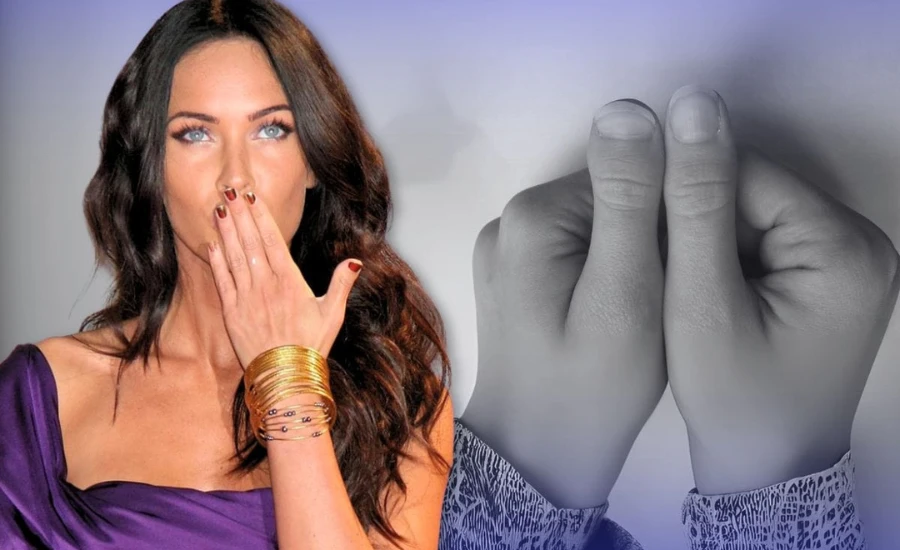
Here’s the simple answer: brachydactyly type D means the last bone in the thumb — the distal phalanx — is shorter and noticeably wider than average. The nail looks broader, almost square. The tip of the thumb appears rounded, sometimes described as resembling a toe, which is where the nickname “toe thumb” comes from. The rest of the hand is completely normal.
The condition traces back to the HOXD13 gene, which plays a role in how limbs form during early embryonic development. It’s autosomal dominant, meaning if one parent carries the gene, each child has a roughly 50% chance of inheriting it. You can’t develop it through injury or environment. You’re born with it. It runs in families.
Medically, brachydactyly type D is one of the most common forms of isolated brachydactyly, affecting roughly 2% of the global population. That’s hundreds of millions of people worldwide walking around with these thumbs — going to work, raising children, playing instruments, winning Oscars. The condition poses zero health risks. There’s no associated pain, no loss of function, and no medical reason to treat it unless a person chooses cosmetic intervention. It doesn’t stop anyone from typing, playing guitar, driving, or doing anything else hands are meant to do.
The internet, however, has treated it like a phenomenon.
Megan Fox: The Face That Made a Thumb Famous
She was twenty-one when Transformers came out in 2007, and the reaction was instant and overwhelming. Everyone was talking about her face, her body, her career. What nobody expected was that within a few years, a significant portion of internet traffic would be dedicated to discussing the shape of her thumbs.
Megan Fox was born with brachydactyly type D. Both thumbs are shorter and wider than average, with broad nails that draw attention in close-up photos. She didn’t try to hide them at the start. She walked red carpets, posed for magazine covers, and went about her life with her thumbs exactly as they were.
The internet didn’t let it go quietly.
By 2010, the fixation had reached peak intensity. Fox had starred in a Super Bowl commercial for Motorola — a playful ad where she poses in a bubble bath and imagines the chaos of sharing a photo on social media. The commercial itself was entirely unremarkable by the standards of celebrity advertising. What sparked a genuine controversy was what eagle-eyed viewers noticed during the close-up shots of the phone: the hands didn’t belong to Megan Fox. A hand model with conventionally shaped thumbs had been substituted for the close-up sequences. Production insiders stated the decision was made by the commercial’s director, not by Fox herself. But the damage to the conversation was already done. People with brachydactyly felt the implication clearly — that their thumbs were something to be erased.
Fox eventually addressed the obsession directly, and her answer was the exact right one. In a 2023 Sports Illustrated interview she said, “I don’t know why people are so fascinated by my thumbs. They’re just kind of short. Is it really that crazy?” Then she added something sharper: “I think I have tons of other flaws that are way more interesting than my thumbs. I don’t know why people focus on that.”
She also brought palmistry into it. She told the Sports Illustrated team that in palm reading, a short thumb is historically called a “murderer’s thumb” — the theory being that a shorter distance from knuckle to tip correlates to a shorter temper. Fox said she found this funny, given that she considers herself to have extraordinary patience. “When you do push me over the edge,” she said, “you’re on demon time.”
Back in 2012 on The Tonight Show with Jay Leno, she took a different tone — more self-deprecating, less defensive. She showed Leno her thumb and joked that she’d asked her mother about it. Her mother had told her she ate tuna every day during the pregnancy. Fox played it for a laugh. “They’re weird, and they’re really fat, and there’s like a weird knuckle,” she said on air. The studio laughed. The internet clipped it and posted it everywhere.
Fox has also spoken candidly about struggling with body dysmorphia — a condition where a person cannot accurately perceive their own appearance, regardless of how others see them. In a 2021 GQ interview she said, “We may look at somebody and think, ‘That person’s so beautiful. Their life must be so easy.’ They most likely don’t feel that way about themselves.” For someone who spent fifteen years being publicly ranked as the world’s most beautiful woman while simultaneously being mocked for a body part, that statement carries specific weight.
Miles Teller: Rooster’s Thumbs
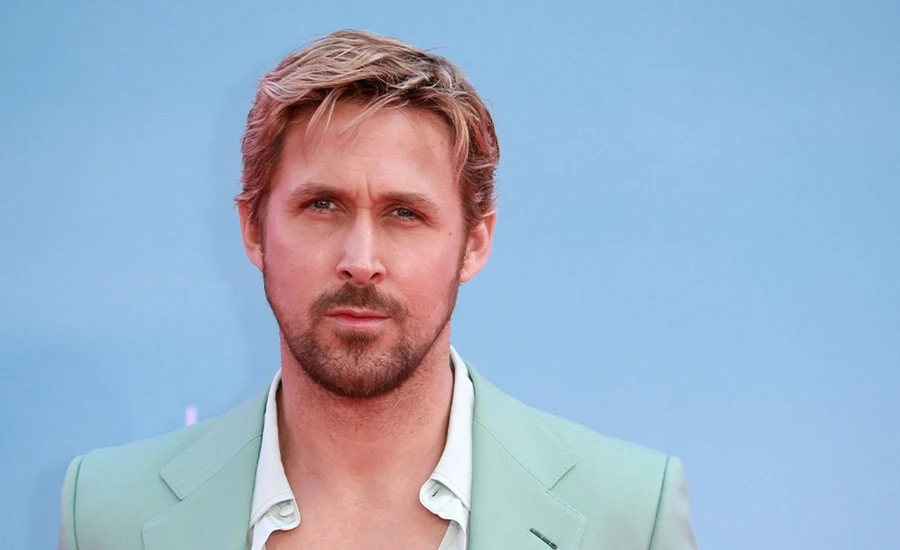
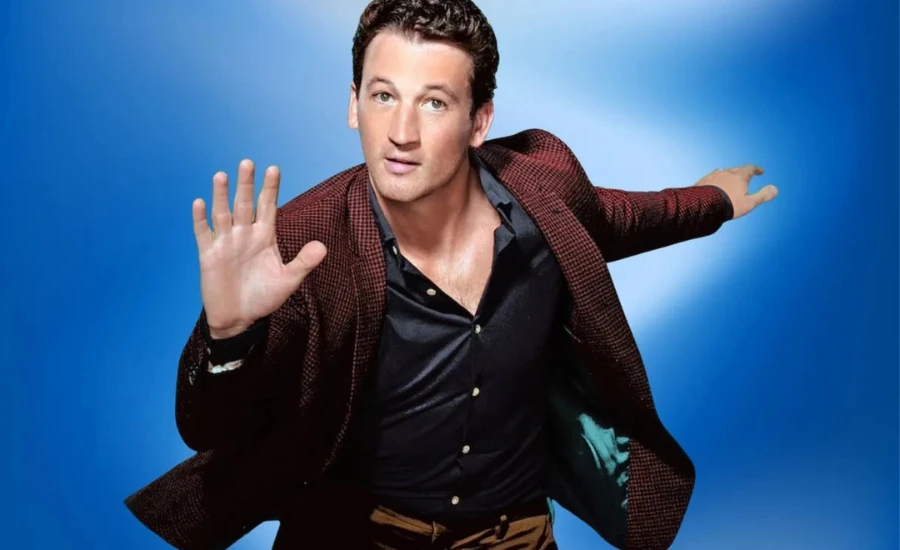
Miles Teller broke through with an astonishing performance in Whiplash in 2014, playing a jazz drummer who bleeds through his drumsticks trying to satisfy a tyrannical music teacher. The physical demands of that role were significant. His hands were all over the screen. And if you looked closely at those hands, you saw the same broad, rounded thumbs that Megan Fox has been photographed with for twenty years.
Teller has brachydactyly type D. He grew up playing drums — starting in a church youth group band in Downingtown, Pennsylvania — and his condition did not stop him from becoming one of the most technically demanding actors of his generation in a role that required months of actual drumming. The condition affects the shape of the thumb, not its function.
Reports indicate Teller felt self-conscious about his thumbs for years, sometimes hiding them in photos and reportedly using hand doubles on set for certain close-up shots. He’s since become more open about the condition, particularly after Top Gun: Maverick in 2022 brought renewed attention to his hands. The response from fans with brachydactyly was warm — here was a movie star playing a fighter pilot, and his thumbs looked just like theirs.
Tyler Joseph: Music Doesn’t Care About Your Thumbs
The lead singer and songwriter for Twenty One Pilots has discussed his clubbed thumbs in interviews without making them the centerpiece of his identity. Joseph plays multiple instruments — piano, ukulele, bass guitar — and has built one of the most passionate fan followings in alternative music while doing it with brachydactyly type D.
His handling of the subject is almost the opposite of the internet’s treatment of it. He mentions it when asked. He doesn’t obsess over it. He keeps writing songs and performing to sold-out arenas. The fans who share the condition often cite him as someone they identified with early on — someone who picked up instruments and got on with it, without the thumbs becoming the story.
Leighton Meester and Malin Ackerman: Contract Clauses and Quiet Realities
Leighton Meester — Blair Waldorf on Gossip Girl, born April 9, 1986 — has clubbed thumbs, visible to close observers in photos and on-screen. Reports suggest both Meester and Malin Ackerman have clauses in their film contracts relating to how their thumbs are handled on camera. Neither actress has extensively discussed this publicly, so the specific nature of those arrangements should be treated as reported, not confirmed.
Malin Ackerman — Swedish-American actress, best known for Watchmen and Rock of Ages — shares the condition. She hasn’t made it a public talking point. Both women have built significant careers, attracted consistent critical attention, and navigated Hollywood without their brachydactyly defining them professionally.
The contract clause detail is interesting not because it reveals weakness, but because it reveals how much energy the industry can spend on the wrong things.
The Controversy the Thumb Revealed
Here’s what the Motorola incident actually exposed — not about Megan Fox, but about beauty standards in media.
When a production team chooses to replace a part of an actor’s body for a close-up because that part doesn’t conform to a conventional ideal, they send a message to every person in the audience who shares that trait. The message isn’t complicated. It says: this is something to hide. The people who pushed back on the Motorola commercial most vocally weren’t celebrity commentators. They were people with brachydactyly who had spent years being told their thumbs were weird. They’d just watched Hollywood quietly confirm it.
That’s the real controversy — not the individual decision on a single commercial, but the cumulative effect of a media environment that treats any physical variation as a defect requiring erasure. Fox didn’t create this problem. She navigated it, publicly and imperfectly, and ended up becoming a reference point for millions of people who have these thumbs and had never seen them on a movie star.
Where Things Stand Now
Brachydactyly type D has become one of the most-searched physical conditions associated with celebrities, largely due to Megan Fox’s fame and the internet’s persistent fascination. TikTok hosts thousands of videos on the subject — people showing their own clubbed thumbs, comparing them to Fox’s, laughing about thumb wars, and discussing what it’s like to grow up feeling self-conscious about something that turns out to affect a full 2% of the population.
The conversation has shifted, at least partly, from mockery toward recognition. Communities have formed around the condition — not medical communities, but people who found each other because they all had the same thumbs and the same childhood memories of someone pointing at their hands.
Fox continues to work in film and television, her career intact despite years of public scrutiny both about her body and about her professional life. Teller has become a major action star post-Top Gun. Joseph keeps recording and touring. Meester is still acting. Ackerman still appears in film and television.
Not one of them stopped working because of their thumbs.
The Legacy of a Thumb
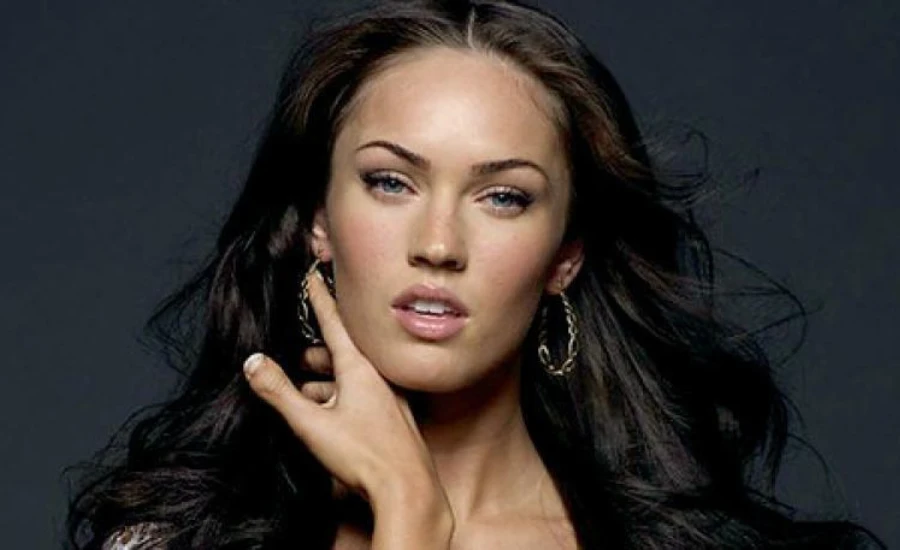
What does it mean that a minor genetic variation — one affecting 2% of the population, causing no pain, no functional limitation, and no health consequences — became one of the most-discussed physical traits in celebrity culture?
It means we were looking too closely at the wrong things.
The clubbed thumb conversation started as mockery and became something else. It became a rallying point. People who had been teased as children found each other online. They found celebrities who looked like them. They found medical explanations that replaced years of childhood confusion with the simple clarity of a gene name. The HOXD13 mutation sounds clinical. What it actually means is: this runs in families, it’s been in your bloodline for generations, and it doesn’t make you less than anything.
Megan Fox said something in a GQ interview that had nothing specifically to do with her thumbs but applies perfectly: “We may look at somebody and think, ‘That person’s so beautiful. Their life must be so easy.’ They most likely don’t feel that way about themselves.”
She wasn’t born into comfort with her own body. She worked toward it. The thumbs were just the part the internet decided to make loudest — which turned out to be an accidental gift to everyone who had them and felt alone about it.
The body you’re born with is not a flaw waiting to be corrected. It’s just a body. Some of those bodies come with short, wide thumbs.
Turns out, they play drums just fine.
You may also like Veronica Gutierrez
FAQ
1. What is a clubbed thumb?
A clubbed thumb, medically called brachydactyly type D, is a condition where the tip of the thumb is shorter and wider than average. The nail bed is broader and more square-shaped. It affects only the thumb and causes no pain or functional limitations.
2. Which celebrities have clubbed thumbs?
Confirmed or widely documented cases include Megan Fox, Miles Teller, Tyler Joseph (Twenty One Pilots), Leighton Meester, Malin Ackerman, and Sanaa Lathan, among others.
3. Is a clubbed thumb a medical problem?
No. It’s a genetic trait with no associated health risks. No medical treatment is necessary. Cosmetic surgery exists as an option but is rarely pursued.
4. How common is brachydactyly type D?
It affects approximately 2% of the global population, making it one of the more common forms of brachydactyly. The condition is bilateral in about 75% of cases.
5. What causes a clubbed thumb?
It’s caused by a mutation in the HOXD13 gene and is typically inherited from a parent. Each child of an affected parent has roughly a 50% chance of inheriting the trait.
6. Why is it sometimes called a “murderer’s thumb”?
The nickname comes from palmistry — the folk belief that a shorter thumb indicates a shorter temper. It’s not medically or scientifically supported. Megan Fox has openly joked about this.
7. What happened with Megan Fox’s thumb in the Motorola commercial?
During a 2010 Super Bowl commercial for Motorola’s Moto Devour phone, production used a hand model’s thumb for close-up shots instead of Fox’s. People involved with the production said Fox was not responsible for the decision. The incident sparked significant backlash from people with brachydactyly who felt the move stigmatized their condition.
8. Does Megan Fox feel embarrassed about her thumbs?
By her own account, no — at least not anymore. She told Sports Illustrated in 2023 that she doesn’t understand the fascination and doesn’t find it embarrassing. She has, however, spoken openly about body dysmorphia more broadly.
9. Does a clubbed thumb affect an actor’s career?
No confirmed evidence suggests any of the celebrities with brachydactyly have lost work because of their thumbs. All the major figures associated with the condition have had sustained, successful careers.
10. Can you play instruments with a clubbed thumb?
Yes. Tyler Joseph plays multiple instruments and performs globally. Miles Teller played drums extensively for his Whiplash role. The condition affects the thumb’s appearance, not its ability to function.
11. Is the term “toe thumb” offensive?
It’s widely used — even by people who have the condition, including Megan Fox herself. Some people with brachydactyly dislike it; others embrace it. “Clubbed thumb” and “brachydactyly type D” are the most neutral and accurate terms.
12. Do children inherit this from their parents?
Yes, in most cases. Brachydactyly type D is autosomal dominant, meaning one copy of the altered gene is enough to produce the trait, and it can be passed from an affected parent to a child.
13. Is the condition more common in women?
The condition shows complete penetrance in females and incomplete penetrance in males — meaning it’s more likely to fully express in women than in men who carry the gene, though both sexes can have it.
14. Are there any advantages to having brachydactyly type D?
Some early research has explored whether the HOXD13 mutation may offer a protective effect against joint erosion in rheumatoid arthritis patients, though this research is preliminary and not yet conclusive.
15. Where can I find others with clubbed thumbs?
TikTok and Reddit both have active communities where people share their experiences with brachydactyly type D. Searching the hashtag #clubbedthumbs brings up thousands of posts from people who have the condition.